
You wake up itchy, spot a mysterious bite, and suddenly your mind jumps to one thought: bed bugs. Don’t panic—but don’t ignore it either. Knowing how to check for bed bugs early can save you from sleepless nights, expensive treatments, and a full-blown infestation.
This guide walks you through exactly how to check for bed bugs on a mattress, on your body, and even in a hotel room, using simple, practical steps anyone can follow. Whether you’re traveling, moving into a new place, or just noticed suspicious bites, this article has you covered.
What Are Bed Bugs and Why Early Detection Matters
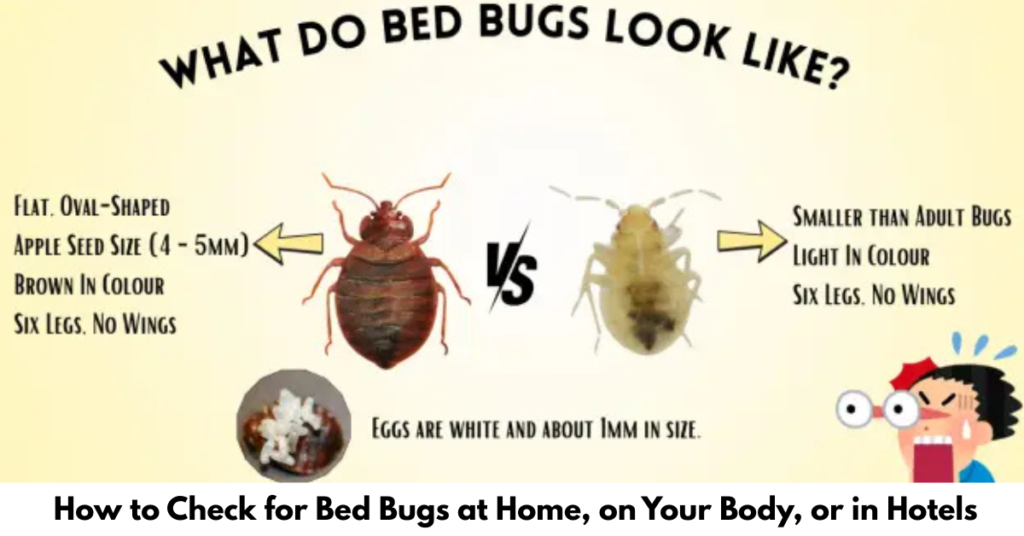
Bed bugs are tiny, reddish-brown insects that feed on human blood—usually at night. They hide well, multiply fast, and don’t care if your space is spotless or messy.
Catching them early is key because:
-
They spread quickly from room to room
-
Bites can cause itching, rashes, or allergic reactions
-
Treatment becomes harder and more expensive over time
The good news? You can spot them early if you know where to look.
How to Check for Bed Bugs on a Mattress
Your mattress is ground zero. This is the first place you should inspect.
Step-by-Step Mattress Inspection
Remove all bedding and grab a flashlight.
Check these areas closely:
-
Mattress seams and piping
-
Corners and fabric folds
-
Under mattress tags and labels
-
Box spring edges and underside
Signs to Look For
-
Live bed bugs (apple-seed sized)
-
Tiny black spots (bed bug droppings)
-
Rust-colored stains (crushed bugs or blood)
-
Pale yellow shed skins
If you spot any of these, there’s a strong chance bed bugs are present.
How to Check for Bed Bugs on Your Body and Skin
Many people first suspect bed bugs because of unexplained bites. But bites alone aren’t enough—you need to know what to look for.
How to Check for Bed Bugs Bites
Bed bug bites usually:
-
Appear in clusters or straight lines
-
Show up on exposed skin (arms, neck, legs, back)
-
Itch more over time, especially at night
This is why searches like “body how to check for bed bugs” and “skin body how to check for bed bugs” are so common.
Bed Bug Bites vs Spider Bites
People often search “spider bites body how to check for bed bugs” because the bites can look similar.
Key differences:
-
Bed bugs: Multiple bites, pattern or line
-
Spiders: Usually one bite, may blister or swell
-
Timing: Bed bug bites often appear overnight
If you’re waking up with new bites daily, that’s a red flag.
How to Check for Bed Bugs in a Hotel Room
Hotels are one of the most common places to encounter bed bugs—but you can protect yourself with a quick inspection.
How to Check for Bed Bugs at a Hotel
Before unpacking:
-
Place luggage in the bathroom or bathtub
-
Pull back bed sheets and inspect mattress seams
-
Check the headboard (especially behind it)
-
Look at bedside furniture and couch seams
This applies whether you search:
-
how to check for bed bugs hotel
-
how to check for bed bugs in a hotel
-
how to check for bed bugs at hotel
They all follow the same basic steps.
Hotel Warning Signs
-
Dark spotting on sheets or mattress
-
Musty or sweet odor
-
Visible bugs near the bed
If you see anything suspicious, request a room change—or leave.
Other Places Bed Bugs Hide
Bed bugs don’t stop at beds.
Check:
-
Couch seams and cushions
-
Curtains and curtain rods
-
Electrical outlets near beds
-
Baseboards and wall cracks
-
Inside suitcases after travel
Early detection here prevents spreading them further.
Common Mistakes When Checking for Bed Bugs
Avoid these pitfalls:
-
Only checking the mattress surface
-
Assuming bites alone confirm bed bugs
-
Ignoring the box spring
-
Waiting too long to investigate
A thorough check beats assumptions every time.
What to Do If You Find Bed Bugs
If you confirm bed bugs:
-
Isolate the affected area
-
Wash bedding in hot water (60°C / 140°F)
-
Dry on high heat
-
Avoid moving items to other rooms
For established infestations, professional pest control is usually the safest option.
FAQs About Checking for Bed Bugs
How long does it take to notice bed bugs?
It can take days or weeks. Some people react to bites immediately, while others show no symptoms.
Can bed bugs live on your body?
No. They hide in furniture and only come out to feed. That’s why checking your environment matters more than your skin alone.
Are bed bug bites dangerous?
They’re not known to spread disease, but scratching can cause infections or scarring.
How to check for bed bugs bites if I’m not itchy?
Look for patterns—clusters or straight lines—and inspect your mattress and sleeping area for physical signs.
Do bed bugs only live in dirty places?
No. They thrive anywhere humans sleep, clean or not.
Conclusion
Knowing how to check for bed bugs—on your mattress, on your body, or in a hotel—puts you back in control. Early detection can stop an infestation before it spirals into a costly nightmare.
If you travel often, move frequently, or suspect bites, make inspections part of your routine. For more help, explore related guides on bed bug prevention, treatment options, or travel safety tips.