Visual content has become one of the most important elements in modern marketing and communication. Whether you are creating social media campaigns, designing presentations, developing blog graphics, or preparing advertising creatives for clients, high-quality visuals play a critical role in capturing attention and delivering a clear message.
Traditionally, producing professional visuals required advanced design skills, expensive software, and long production timelines. Designers often had to rely on stock images, manual editing, or complex design workflows to achieve the desired outcome. For agencies, freelancers, and content creators managing multiple clients, this process could quickly become time-consuming and difficult to scale.
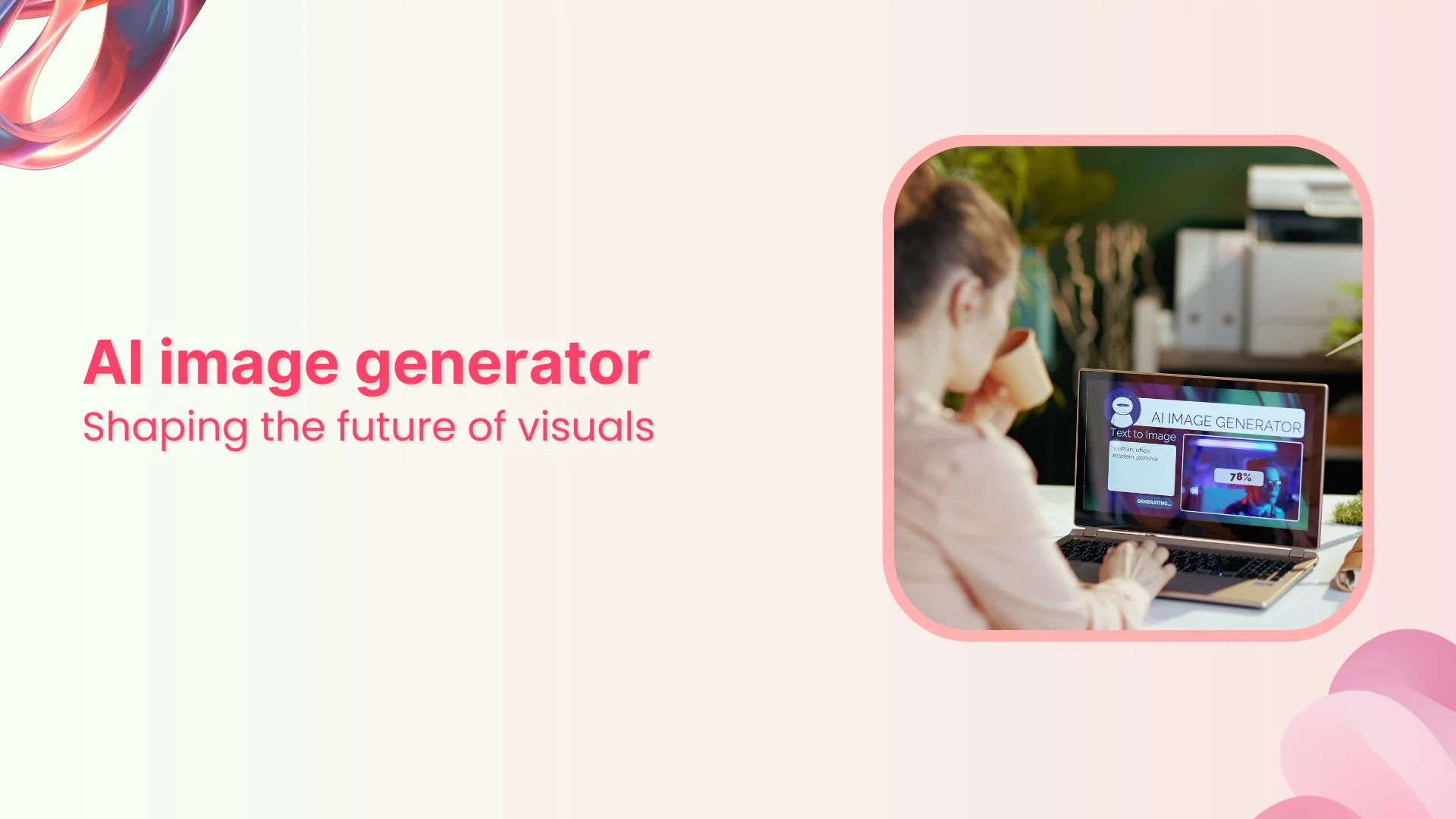
Artificial intelligence has dramatically changed this workflow. AI image generators allow creators to produce custom visuals simply by describing what they want in a text prompt. Within seconds, these tools can generate unique images, illustrations, backgrounds, marketing creatives, and concept visuals that previously required hours of design work.
For professionals working with clients, AI image generators offer several advantages. They allow rapid prototyping of ideas, help create multiple visual variations for campaigns, reduce dependency on stock libraries, and enable quick turnaround times for projects. This makes them especially valuable for marketers, social media managers, content creators, and agencies that need consistent visual output.
Another benefit is creative flexibility. Instead of searching endlessly for the “right” image, you can generate exactly what your project needs. Whether it is a product concept, social media artwork, cinematic scene, or blog illustration, AI tools allow you to experiment and refine ideas quickly.
In this article, we will explore six AI image generators that can help you produce high-quality visuals for client projects. Each of these tools offers a unique approach to AI-powered image creation, helping professionals streamline their workflow and deliver impressive visual content efficiently.
1. Invideo
One of the easiest ways to create professional visuals quickly is by using invideo’s AI image generator. This tool allows creators to transform simple text descriptions into high-quality images within seconds, making it especially useful for marketers, content creators, and agencies working with tight deadlines.
With invideo’s ai photo generator, users can generate unique visuals by simply describing the scene, concept, or style they want. Instead of spending hours designing from scratch or searching through stock libraries, creators can quickly generate images that match the exact tone and purpose of their project.
This makes the tool particularly helpful for producing blog visuals, social media graphics, campaign images, and presentation artwork. Because the generation process is fast and intuitive, teams can easily test multiple creative directions before finalizing the visuals for client projects. For businesses that need a steady stream of visuals, this approach can significantly reduce production time while maintaining high visual quality.
2. Midjourney
Midjourney has gained popularity among designers and digital artists for its ability to produce highly stylized and visually rich images. The tool focuses heavily on artistic generation, allowing users to create imaginative visuals that range from cinematic scenes to fantasy illustrations.
Many creative professionals use Midjourney to develop concept art, marketing visuals, and storytelling imagery. By experimenting with prompts and style variations, users can generate visuals that feel unique and visually striking. This makes it particularly valuable for creative campaigns where originality and artistic appeal are important.
Another advantage of Midjourney is its ability to produce images with strong visual composition and detail. Designers often use it for ideation and mood boards before moving into final design production. For agencies working on branding, storytelling campaigns, or social media creatives, this tool can provide a strong source of visual inspiration.
3. DALL·E
DALL·E is known for its ability to generate images based on detailed prompts while maintaining realistic structure and clarity. The tool is particularly effective at translating complex descriptions into visual outputs, making it a useful option for professionals who need specific imagery.
For client projects, DALL·E can be helpful when creating conceptual visuals, blog illustrations, or marketing graphics that require a specific narrative. Instead of relying on generic stock images, creators can produce visuals tailored to the exact theme or message they want to communicate.
Another useful aspect of DALL·E is its ability to generate variations of a single idea. This makes it easier for designers to experiment with different compositions or styles before choosing the most suitable visual for a campaign. For marketing teams and content creators, this flexibility helps improve creative output while maintaining efficiency.
4. Stable Diffusion
Stable Diffusion is widely recognized for offering powerful image generation capabilities with a high level of customization. Unlike many tools that operate only through simple prompts, Stable Diffusion allows advanced users to adjust various parameters and refine the image generation process.
This level of control makes the tool popular among designers, developers, and creative professionals who want to experiment with different artistic styles or refine visuals more precisely. For example, it can be used to generate illustrations, concept art, product visuals, and background imagery for marketing materials.
Another advantage is its adaptability across different creative workflows. Because Stable Diffusion allows deeper customization, it is often used by professionals who want to experiment with unique visual outputs or integrate AI image generation into larger design pipelines.
5. Adobe Firefly
Adobe Firefly is designed with creative professionals in mind, particularly those already familiar with digital design workflows. The tool focuses on generating images that can easily fit into branding, marketing materials, and design projects.
For agencies working with client campaigns, Firefly can help generate visuals that match specific brand styles or creative directions. Whether it is creating concept imagery for advertisements or generating backgrounds for marketing assets, the tool can assist designers during the early stages of creative development.
Because it is built with a strong focus on design integration, many professionals use Firefly to explore ideas quickly before refining them further in their design process. This can help speed up creative brainstorming while maintaining visual consistency for client work.
6. DreamStudio
DreamStudio provides a streamlined interface for generating images using AI, making it accessible to both beginners and experienced creators. The platform focuses on allowing users to generate visuals quickly while offering enough flexibility to experiment with different prompts and styles.
For client projects, DreamStudio can be particularly useful when generating visuals for blog posts, social media graphics, or conceptual marketing images. The ability to iterate quickly allows creators to explore multiple design directions without investing significant time in manual design work.
Another benefit of DreamStudio is the ability to refine outputs through prompt adjustments. By experimenting with different descriptions, creators can gradually shape the final image to match the desired aesthetic or message. This iterative approach helps professionals create visuals that align closely with their project goals.
Conclusion
Creating high-quality visuals for client projects no longer requires long design cycles or complex workflows. With AI image generators, creators can quickly transform simple ideas into professional visuals that support marketing campaigns, content creation, and brand storytelling.
These tools allow agencies, marketers, and content creators to experiment with multiple visual concepts, produce custom imagery, and significantly reduce production time. Instead of relying solely on stock images or manual design processes, AI image generators provide a faster and more flexible way to develop creative assets.
By incorporating AI-powered image generation into your workflow, you can deliver visually engaging content for clients more efficiently while maintaining creative control. As these tools continue to evolve, they will play an increasingly important role in helping professionals produce compelling visual content at scale.