
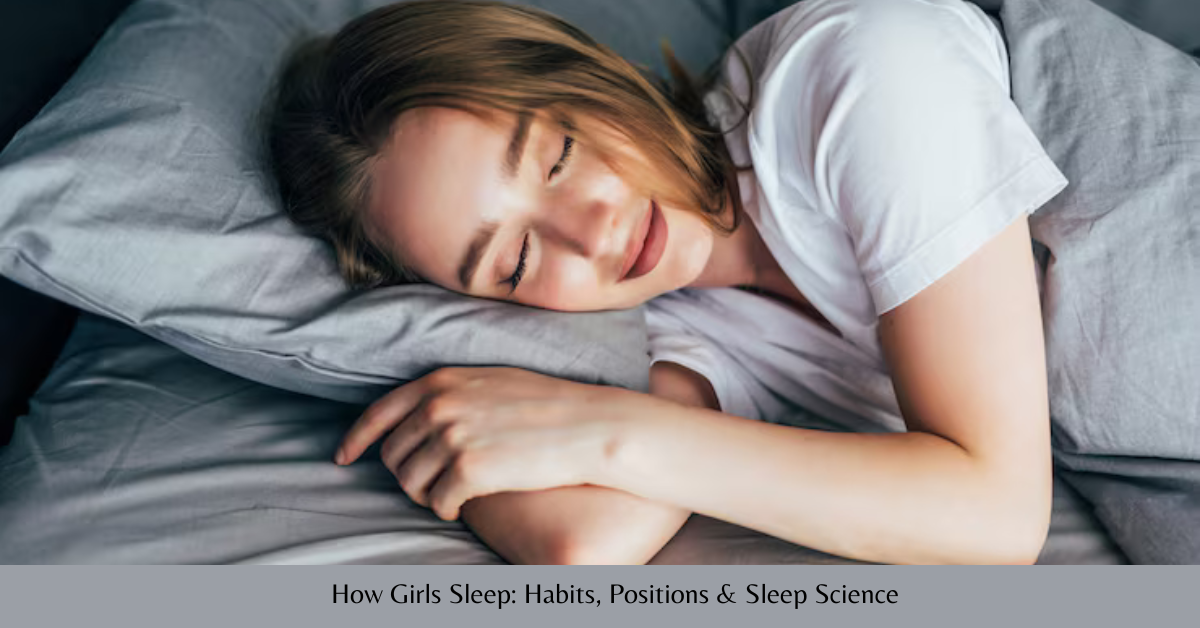
Ever wondered how girls sleep? Not in a stereotypical, movie-scene way—but in real life. Do girls sleep differently from boys? Do hormones affect sleep? Why do some women curl up while others sprawl across the bed?
The truth is, how girls sleep is shaped by biology, lifestyle, stress levels, and even emotional well-being. In this guide, we’ll explore female sleep patterns, common sleep positions, hormonal influences, and practical tips for better rest—backed by science and written in plain, easy-to-understand language.
Let’s break it down.
Why Understanding How Girls Sleep Matters
Sleep isn’t just about closing your eyes for eight hours. It directly affects:
-
Mood and emotional balance
-
Hormonal health
-
Skin and hair condition
-
Weight management
-
Mental clarity and productivity
Research from organizations like the National Sleep Foundation shows that women often report more sleep disturbances than men—even though they may sleep slightly longer on average.
So when we talk about how girls sleep, we’re really talking about overall health.
The Science Behind Female Sleep Patterns
1. Hormones Play a Huge Role
One major factor influencing how girls sleep is hormonal fluctuation. Throughout life stages, sleep patterns shift:
-
Menstrual cycle: Many girls experience insomnia or lighter sleep before their period.
-
Pregnancy: Increased fatigue but more nighttime awakenings.
-
Menopause: Hot flashes and night sweats can disturb deep sleep.
According to the Sleep Foundation, estrogen and progesterone significantly impact sleep quality, body temperature, and REM cycles.
2. Women Often Need Slightly More Sleep
Studies suggest women may need about 20 minutes more sleep per night than men. Why?
-
Multitasking and cognitive load
-
Higher rates of anxiety
-
Hormonal regulation
That doesn’t mean every girl needs extra sleep—but statistically, many do.
Common Sleep Positions Girls Prefer
When discussing how girls sleep, sleep position is one of the most searched topics online. While preferences vary widely, research shows some common patterns.
1. The Fetal Position (Most Common)
This is the classic curled-up position.
Why girls prefer it:
-
Feels safe and comforting
-
Helps relieve lower back pressure
-
Often linked to emotional security
Over 40% of people sleep this way, and women are more likely to choose it than men.
2. Side Sleeping
Side sleeping is extremely common among girls and women.
Benefits include:
-
Better digestion
-
Reduced snoring
-
Improved spinal alignment (with proper pillow support)
Healthcare organizations like Mayo Clinic recommend side sleeping for overall spinal health.
3. Starfish Position
Arms and legs spread out.
Less common, but often associated with:
-
Deep sleepers
-
Relaxed personalities
-
Fewer joint pressure points
Emotional Factors That Affect How Girls Sleep
Sleep is deeply connected to mental health.
Girls and women are statistically more likely to experience:
-
Anxiety
-
Overthinking before bed
-
Stress-related insomnia
This doesn’t mean they sleep poorly—it simply means emotional processing can impact nighttime rest.
Even simple habits like:
-
Scrolling on the phone
-
Late-night conversations
-
Watching dramas
can delay melatonin production and disrupt natural sleep cycles.
How Lifestyle Influences Female Sleep Quality
When analyzing how girls sleep, lifestyle matters just as much as biology.
Key Influences:
-
Screen Time Before Bed
Blue light delays sleep onset. -
Caffeine Intake
Women metabolize caffeine differently depending on hormonal cycles. -
Room Temperature
Women are generally more sensitive to temperature changes at night. -
Safety & Comfort
Emotional security significantly impacts sleep depth.
Do Girls Sleep More Than Boys?
Short answer: sometimes, yes.
Data from the Centers for Disease Control and Prevention suggests women slightly outpace men in average sleep duration—but they also report:
-
More insomnia
-
More nighttime awakenings
-
Lower perceived sleep quality
So quantity doesn’t always equal quality.
Sleep Disorders More Common in Women
Understanding how girls sleep also means acknowledging common challenges:
-
Insomnia
-
Restless Leg Syndrome
-
Sleep apnea (often underdiagnosed in women)
Because symptoms sometimes appear differently in women, conditions may go unnoticed.
If sleep issues persist longer than two weeks, medical consultation is recommended.
How Girls Can Improve Sleep Quality
Here’s a simple, practical checklist:
1. Create a Wind-Down Routine
-
Warm shower
-
Light reading
-
Soft lighting
2. Maintain a Consistent Sleep Schedule
Go to bed and wake up at the same time daily.
3. Reduce Blue Light Exposure
Stop using screens at least 30–60 minutes before bed.
4. Optimize the Sleep Environment
-
Cool room temperature
-
Supportive mattress
-
Comfortable pillows
5. Manage Stress
Journaling or breathing exercises can significantly improve sleep onset time.
Myths About How Girls Sleep
Let’s clear up some common misconceptions:
Myth 1: Girls sleep peacefully all the time.
Reality: Women report higher sleep disturbances than men.
Myth 2: Sleeping more means better rest.
Reality: Sleep quality matters more than duration.
Myth 3: Hormones only affect mood—not sleep.
Reality: Hormones are directly tied to REM cycles and temperature regulation.
FAQs About How Girls Sleep
1. Do girls need more sleep than boys?
On average, women may need slightly more sleep due to cognitive load and hormonal factors.
2. Why do girls prefer sleeping on their side?
Side sleeping supports spinal alignment and feels more secure emotionally.
3. Does the menstrual cycle affect sleep?
Yes. Hormonal fluctuations can cause insomnia or lighter sleep before menstruation.
4. Do girls overthink before sleeping?
Many report racing thoughts at night, especially during stressful periods.
5. What is the healthiest sleep position for girls?
Side sleeping with proper pillow support is generally recommended for spinal health.
Conclusion: So, How Do Girls Sleep?
The simple answer? Just like everyone else—but with unique biological and emotional influences.
Understanding how girls sleep means recognizing the role of hormones, stress, comfort, and lifestyle habits. While many girls prefer side or fetal positions, sleep quality ultimately depends on environment, mental state, and health.
If better sleep is your goal, start small:
-
Adjust your nighttime routine
-
Improve your sleep environment
-
Stay consistent
And if sleep problems persist, don’t ignore them—your body is trying to tell you something.
Want to improve your sleep even further? Explore related guides on sleep hygiene, mattress selection, and stress management to build healthier nighttime habits.
Sleep well.