
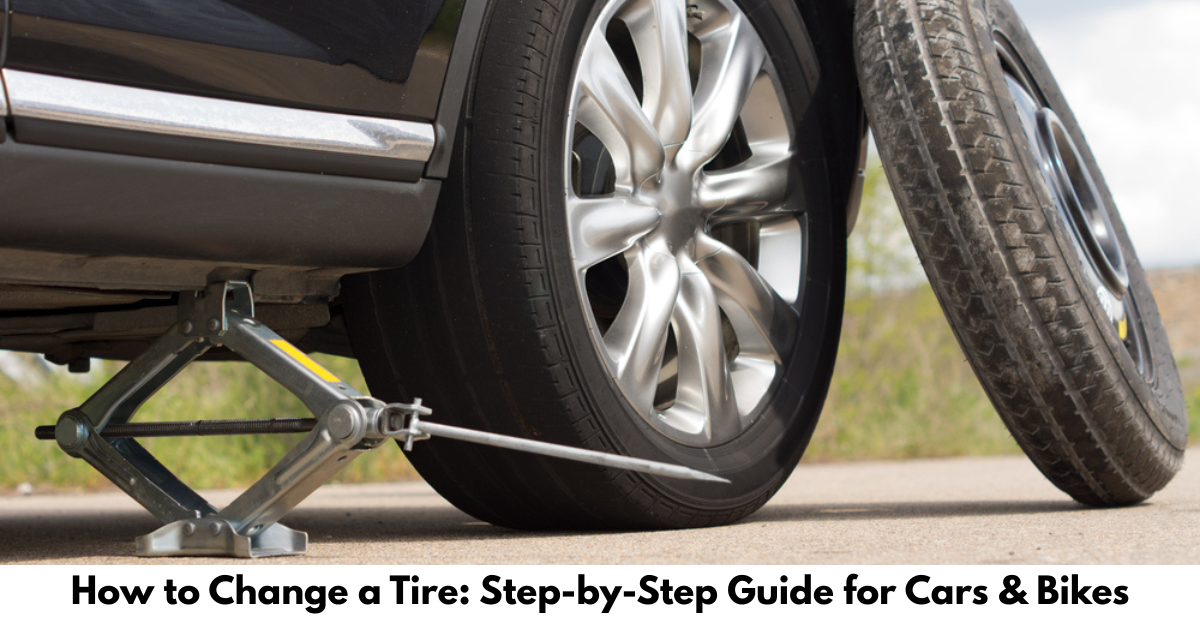
Nothing ruins a day faster than a flat tire, whether it’s on your car or your bike. Knowing how to change a tire can save you time, money, and stress. In this guide, we’ll walk you through every step, from safely lifting your car to replacing a tire by hand, and even how to handle tire pressure sensors. By the end, you’ll be confident handling a flat like a pro.
Why Knowing How to Change a Tire Matters
A flat tire can happen anytime, anywhere—on the highway, at home, or during a bike ride. Understanding the steps on how to change a tire ensures safety, keeps you on schedule, and helps prevent further damage to your vehicle. Plus, with modern cars having tire pressure sensors, it’s handy to know how to adjust them after replacing a tire.
Tools You’ll Need
Before we dive in, gather the right tools. Here’s what you typically need to change a tire on a car:
-
Spare tire (or a replacement tire)
-
Jack (or alternatives for changing a tire without a jack)
-
Lug wrench
-
Wheel wedges
-
Gloves for safety
-
Flashlight if working in low light
-
Tire pressure gauge
For a bike, you’ll mainly need:
-
Tire levers
-
Bike pump
-
Patch kit (if repairing instead of replacing)
Step-by-Step Guide: How to Change a Tire on a Car
Ensure Safety
-
Park on a flat surface and engage your parking brake.
-
Place wheel wedges on the opposite tire to prevent rolling.
-
Turn on hazard lights.
Loosen the Lug Nuts
-
Use a lug wrench to turn the nuts counterclockwise.
-
Do not remove them completely yet.
Lift the Vehicle
-
Position the jack under the car’s recommended lift point.
-
Raise the vehicle until the flat tire is off the ground.
Tip: If you don’t have a jack, look for a sturdy rock or nearby curb to elevate the tire slightly to remove it.
Remove the Flat Tire
-
Fully unscrew the loosened lug nuts.
-
Carefully pull the tire straight off the hub.
Mount the Spare Tire
-
Align the spare with the lug bolts.
-
Push it onto the hub and hand-tighten the lug nuts.
Lower the Vehicle and Tighten
-
Slowly lower the car with the jack.
-
Tighten lug nuts in a crisscross pattern to ensure even pressure.
Check Tire Pressure
-
Use a tire gauge to ensure the spare is inflated properly.
-
If your car has a tire pressure sensor, reset it according to your car’s manual.
How to Change a Tire on a Rim
If you need to replace just the tire while keeping the rim:
-
Deflate the tire completely.
-
Use a tire lever to pry the tire off the rim.
-
Position the new tire onto the rim and ensure it sits evenly.
-
Inflate gradually while checking for proper bead seating.
How to Change a Tire Without a Jack
If you’re stranded without a jack:
-
Use a sturdy curb or rock to slightly elevate the car.
-
Remove the lug nuts carefully with a wrench.
-
Swap the tire and use extreme caution when lowering the vehicle.
How to Change a Bike Tire
-
Remove the wheel from the bike.
-
Use tire levers to pry the tire off the rim.
-
Replace or patch the inner tube.
-
Re-seat the tire and inflate to recommended pressure.
-
Reinstall the wheel on the bike.
Tips for Changing a Tire by Hand
-
Always loosen lug nuts before lifting the vehicle.
-
Wear gloves to avoid cuts and dirt.
-
Double-check the spare tire pressure before driving.
-
Keep a flashlight in your car for nighttime emergencies.
How to Reset a Tire Pressure Sensor
Modern cars alert you when tire pressure is low. After changing a tire:
-
Inflate the new tire to the manufacturer’s recommended PSI.
-
Start the car and navigate to the tire pressure monitoring system (TPMS) reset in the dashboard menu.
-
Follow instructions to recalibrate the sensor.
-
Drive for a short distance to confirm the sensor reads correctly.
FAQs About Changing a Tire
Q1: Can I change a tire alone?
Yes! With the right tools and safety precautions, you can change a tire solo.
Q2: How long does it take to change a tire?
For beginners, 20–30 minutes; with practice, around 10–15 minutes.
Q3: Can I drive on a spare tire?
Temporary spares are meant for short distances at lower speeds. Check your car’s manual.
Q4: Do I need a jack to change a tire?
A jack makes the process easier and safer, but you can improvise if necessary.
Q5: How do I know if my bike tire needs replacement?
Look for worn tread, cracks, or frequent flats.
Conclusion
Learning how to change a tire step by step is an essential skill for any driver or cyclist. From lifting the car safely to replacing tires on a rim or adjusting pressure sensors, these tips help you handle flats confidently. Next time you encounter a flat, you won’t just wait for help—you’ll take control.